
Stories of acupuncture lineages bring the history of the practice to life. Why heritage and present-day suitability are different questions, and what to ask about your own care.
Some acupuncture traditions trace their teachings back through generations of practitioners. Reading about a lineage can make the practice feel more tangible and personal, especially for people who value cultural roots in the therapies they choose.
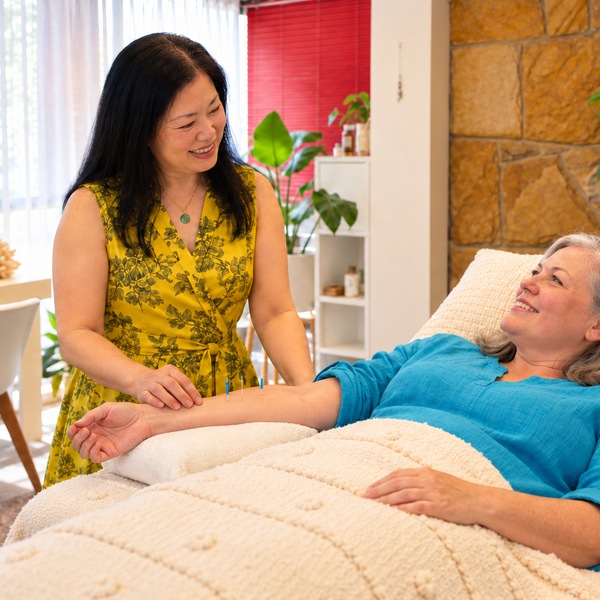
Passing on methods from teacher to student helps explain how a tradition grows, changes and survives. It preserves techniques and ways of thinking that might otherwise be lost, and it gives practitioners a sense of connection to those who came before.
The cultural value of a practice is real, but it is a different matter from whether a particular treatment is appropriate for you today. A long history does not, on its own, tell you about safety, suitability or what to expect in your situation.
If acupuncture's heritage interests you, mention it when you meet Dr Christine Shen, Acupuncturist, in Lane Cove. It can be a natural way into practical questions:
A good care discussion should make sense without relying on tradition for authority. You should come away understanding the actual approach proposed for you, why it was chosen and what the alternatives are, including other therapies offered at a multi-therapy clinic or advice from your GP.
Every therapy has a story. Massage, naturopathy and counselling each draw on their own histories. Appreciating those stories can enrich your interest, while decisions about care rest on your health, your preferences and your response.
Consider the difference between what is troubling you and the change you would like to notice. Ask Christine how your plan will be revisited and which signs would lead to adjusting it, so heritage and present-day care can sit comfortably side by side.
Copyright© 2002-2026 visuallink© SaaS - Web Hosted Solutions, Design and Maintenance by Visual Link IT Pty Ltd - Software Solutions

Please Login or Sign up to be able to comment